
Adapting a video game into a film: moral right of integrity
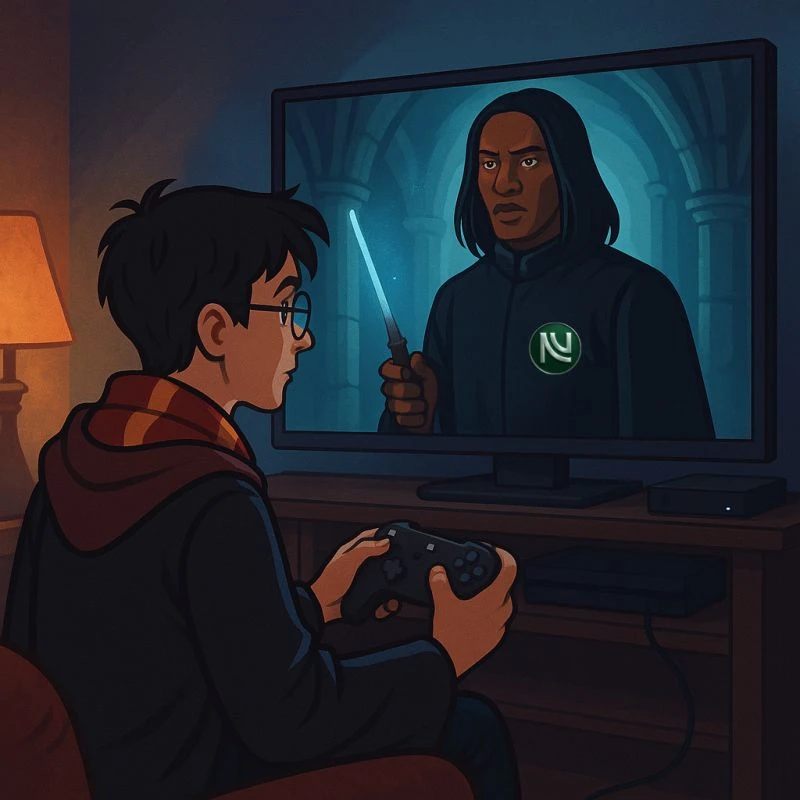
Video game adaptations into films and series keep multiplying, and for a studio seeing its game turned into a movie is a dream come true: its universe on the big screen. In that jump, though, the creative universe is exposed to transformations that can endanger what made it unique, and the question studios ask us is always the same: how do I protect the narrative and creative fidelity of the film they are going to make of my game? The answer has one part given by the law (the moral right of integrity, which cannot be sold) and another part only the contract can give. Both are necessary, and the second is the one almost always missing.
From controller to screen: the moment of adaptations
Audiovisual adaptations of video games are no longer a rarity but a front-line business: in 2026 alone the new Super Mario film, the second Mortal Kombat and the new Resident Evil have reached cinemas, and video game series now compete on the platforms with the classic franchises. For the studio, the adaptation multiplies the value of its intellectual property (new audiences, new game sales, new merchandising).
The adaptation, however, is made by others: screenwriters, directors and producers with their own vision and their own commercial pressures. It is no coincidence that Nintendo co-produced the Mario film with Illumination instead of merely licensing it: whoever produces, decides. Most studios do not have that position, and between "adapting" and "rewriting" there is a border they need to know before signing, because after signing they no longer negotiate it: they litigate it.
Licence or assignment: what you are really authorising
The first step is knowing what is being granted. Turning a video game into a film is a transformation of the work (article 21 of the Spanish Intellectual Property Act), an exclusive right of the rightholder that can only be exercised with their authorisation. And that authorisation need not be a wholesale assignment: often what is granted is a licence limited in time, territory and purpose (one film, one season, one territory, a deadline to release).
The difference matters because Spanish law construes assignments restrictively: whatever is not expressly agreed is not deemed granted (article 43). It is the same rule we saw with the licence for a remake and with the freelance composer's soundtrack, and it works the same here: the producer has what the paper says, and nothing more. That is why the scope of the authorisation should be checked with a magnifying glass (sequels, spin-offs, games based on the film, film merchandising), because each of those doors is either opened in writing or stays shut.
The moral right of integrity: what cannot be sold
This is the part many studios do not know. However many exploitation rights are assigned, the author keeps their moral rights, which the law defines as unwaivable and inalienable (article 14). Among them, the one in paragraph four: to demand respect for the integrity of the work and prevent any distortion, modification, alteration or attack against it that harms their legitimate interests or damages their reputation. It is a right with international roots (article 6bis of the Berne Convention recognises it even after the economic rights are assigned), and it is the same right that protected Lara Croft's actress in the AI voice cloning case, in its version for performers.
In other words: allowing the transformation does not mean waiving integrity. The right survives intact and prohibits modifications that substantially distort the work or harm the creator's reputation. The question, however, is not only legal but also artistic and narrative: adapting does not mean rewriting, yet every adaptation changes things. The useful question is which changes fit, and that line has been drawn by the courts.
What the Supreme Court said: the "Para Fátima" case
The leading precedent is Spanish Supreme Court judgment 363/1998 of 22 April (ECLI:ES:TS:1998:2544). A screenwriter had written nineteen scripts for the Spanish public broadcaster TVE for the series "Para Fátima", structured by storylines. The broadcaster held a contractual assignment of all exploitation rights and, even so, the contract said the writer would make the changes suggested to him "respecting, in any event, the essential idea and contents". In production, TVE restructured the scripts, shot by chronological episodes instead of by storylines, cut episodes and aired sixteen instead of nineteen, all without involving the author.
The Supreme Court upheld the judgment against TVE for breaching the integrity of the work, on a criterion valid for any adaptation. The director may introduce into the script the changes the nature of the medium requires, but only if they are "merely circumstantial or incidental", and not "when those modifications affect the very essence of the script as conceived and written by its author, for which his consent is required". The appeal judgment, which the Supreme Court endorsed on this point, put it bluntly: in no case may "the most absolute modification of original scripts" be left "to the discretion of the director, producer or filmmaker".
Applied to a video game, the criterion is very practical. Changing the pace, shortening or merging side quests or reordering scenes to fit the script into two hours would be lawful. Reconfiguring the protagonists' emotional arc, turning a tragic character into comic relief or altering the moral message that bound the player community together would not. Small changes can be an expression of adaptation. Big twists can amount to a breach of the right of integrity.
The where and the how matter too
Protection is not limited to what is told. It also reaches where and how the work is placed before the public. The Supreme Court explained it in its judgment of 18 January 2013 (ECLI:ES:TS:2013:371), on a sculpture created for a specific roundabout in a town: moving it can breach the work's integrity "to the extent that it alters or interferes with the process of communication that every work of art involves", and what matters is whether the "three-way dialogue between the author, the work and the public" is broken. The Court added a nuance worth remembering: the right is not absolute, it must be exercised in good faith and the decision requires weighing the specific case (the same balancing we apply to athletes' tattoos reproduced in video games).
Transferred to a video game franchise, the reasoning is clear: even a formally faithful film can harm the work if it is associated with an environment that contradicts its spirit. Think of advertising campaigns or brand collaborations that use the characters for messages alien or contrary to the game's values. That is why the studio's control should not end with the script: it should reach the promotion, the brand deals and the merchandising that comes with the release.
Two traps almost no studio sees coming
The first: the moral right arrives late. The law provides that the moral right of the authors of an audiovisual work can only be exercised over its final version (article 93.1). In other words, the law gives you no voice during the shoot: it gives you a claim once the film is finished, with all the cost of litigating over a completed work (and a producer defending its investment). If you want a say while the film is being made (approving the script, the character designs, the edit), the law does not give you that: the contract does.
The second: who is the author? Under Spanish law, the author is the natural person who creates the work (article 5.1), and legal persons only benefit from protection in the cases expressly provided for (such as the collective work of article 8 or computer programs under article 97). Whether a company can invoke on its own the moral right of integrity over its video game is a debated question. Put practically: the studio as a company may find itself without the legal tool, while its creatives (the creative director, the writers, the artists) keep theirs and could exercise it even against what the studio agreed. Both conclusions point the same way: the studio needs to protect itself by contract and have its creative team aligned from the chain of title of the game itself.
Snape in the Harry Potter series: what it teaches (and what it does not)
Just look at the debate around HBO's new Harry Potter series, premiering on 25 December 2026. The choice of actor Paapa Essiedu to play Severus Snape, a character deeply rooted in the collective imagination, has triggered a very intense reaction from part of the audience (which has even included threats against the actor), who perceive the change in the character's visual identity as a break with the work they knew.
The planes should be kept apart. Legally, the right of integrity belongs to the author, not to the fans, and here the author of the books takes part in the series as executive producer: the adaptation is made with her inside. Whether a change breaks the essence of a work is not decided by social media, it is decided by the author (and, if there is a dispute, by a judge applying the "Para Fátima" criterion).
The lesson for a video game studio, however, is a different and very valuable one: the community perceives the essence of a work, and defends it. If that happens with a book saga, it happens equally or more with a video game, where players have lived hundreds of hours inside the character. That is why the studio must decide before signing which elements of its universe are negotiable and which are not, and put it in writing. Not to stop the adaptation from innovating, but so that the decision on what is essential is the studio's and not a third party's.
What to lock into a video game adaptation agreement
It is vital that the studio gets advice before negotiating the adaptation. A generic licence or assignment clause is not enough. The right of integrity has to be translated into contractual language:
- Locked elements: an express list of what cannot be altered without prior consent (the protagonists' arc, the ending, the narrative tone, the main character designs, the art direction, the rules of the universe).
- Flexible elements: what the producer may adapt freely (pace, side plots, new supporting characters). Agreeing the margin avoids the lawsuit.
- Approvals by milestone: treatment, script, character design and final cut, with response deadlines and a mechanism to resolve disagreements. Remember the law only acts on the final version: control during production is contractual or it does not exist.
- Context clause: a ban on using characters, story or setting in campaigns, collaborations or products alien or contrary to the game's spirit.
- Credit and name withdrawal: how the studio appears in the film and the option to remove its name if the result does not respect what was agreed (the author decides whether disclosure is made under their name, article 14.2).
- Scope of the licence: term, territory, number of works, sequels and derivatives, and what happens to the rights if the film is never shot.
- IP bible: documenting the universe (characters, story, rules, aesthetics) is the best evidence of what its essence was if it ever has to be defended before a judge.
If you are about to negotiate your game's adaptation, we review the contract with you before you sign: it is the moment when protecting the essence of your work costs least.
Frequently asked questions
▸What does the moral right of integrity protect?NPC
▸Can moral rights be transferred, or are they unwaivable?NPC
▸What moral rights does an author have in Spain?NPC
▸What is the difference between moral rights and economic rights?NPC
▸Can the producer change my video game's story in the film?NPC
▸What did the Spanish Supreme Court decide in the "Para Fátima" case?NPC
▸Can a video game studio, as a company, exercise moral rights?NPC
▸Can a series change a character's ethnicity, as with Snape?NPC
▸When can I bring a claim if the film does not respect my video game?NPC
▸What clauses should a video game film or series adaptation agreement include?NPC
Sources
- Spanish Intellectual Property Act, Royal Legislative Decree 1/1996, articles 5, 8, 14, 21, 43, 93 and 97 (BOE)
- Spanish Supreme Court judgment 363/1998 of 22 April, "Para Fátima" case (CENDOJ, ECLI:ES:TS:1998:2544)
- Spanish Supreme Court judgment of 18 January 2013, integrity and location of the work (CENDOJ, ECLI:ES:TS:2013:371)
- HBO sets the Harry Potter series premiere for 25 December 2026 (Today)
- Paapa Essiedu responds to the backlash over his casting as Snape (SlashFilm)
At NN Agency we accompany studios as their video game jumps to other media: from negotiating the adaptation licence to contracts that turn moral rights into enforceable clauses and defending the work when the adaptation goes wrong. If your game is heading to film, television or any other medium, let's talk before you sign: the first consultation is free.
Facing something similar at your studio? The first consultation is free.
Free consultation